Netherlands vs Sweden Tactical Preview: Last 5 Matches, Likely Formations & Key Battles | FIFA World Cup 2026
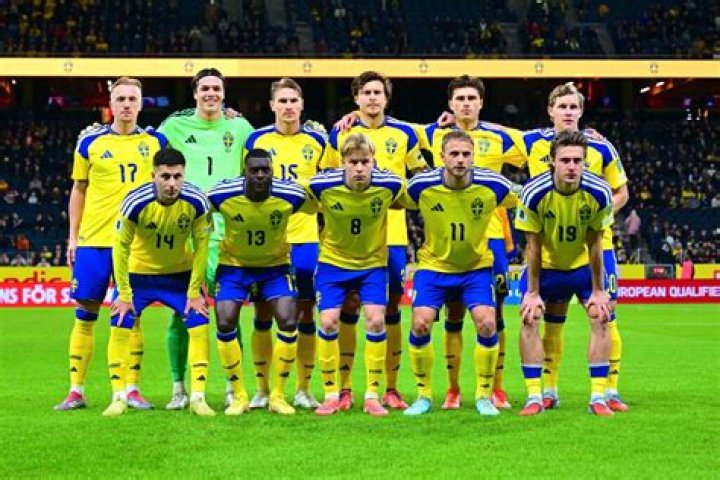
Netherlands vs Sweden arrives in the FIFA World Cup with the kind of tension that does not need official lineups to feel dangerous. The team sheets remain hidden for now, but the clues are already scattered across the last five matches: the Netherlands have looked powerful yet vulnerable, Sweden have swung between ruthlessness and chaos, and this Group F meeting threatens to become a tactical duel decided by nerve, space, and one decisive mistake.
Netherlands vs Sweden Tactical Preview
Without confirmed starting XIs, the most reliable evidence comes from recent performance patterns. The Netherlands enter this match having taken mixed results from their last five games: a 2-1 win over Norway, a 1-1 draw with Ecuador, a 1-0 defeat to Algeria, a 2-1 win over Uzbekistan, and a 2-2 draw with Japan. It is not a clean run. It is not a collapse either. It is something more intriguing: a side still capable of controlling territory, but no longer immune to sudden counter-attacks or defensive lapses.
Sweden’s recent road to this fixture has been even more theatrical. They beat Ukraine 3-1, edged Poland 3-2, lost 3-1 to Norway, drew 2-2 with Greece, then exploded with a 5-1 win over Tunisia in their World Cup opener. That final scoreline carries weight. Sweden have arrived with goals in their boots, and the Netherlands will know that any loose pass in midfield could become a direct threat within seconds.
Last 5 Matches Form Guide
Netherlands Recent Results
The Dutch have won two, drawn two, and lost one of their last five matches. Their attacking return has stayed consistent, with goals against Norway, Ecuador, Uzbekistan, and Japan, but the defensive record tells a darker story. They have conceded in every one of those five matches. Even in victory, there has been smoke rising from the back line.
The 2-2 draw with Japan is the clearest warning. The Netherlands had enough quality to score twice, but not enough defensive control to shut the door. Against Sweden, that same weakness could become fatal if they allow runners to attack the channels behind the full-backs.
Sweden Recent Results
Sweden have won three, drawn one, and lost one of their last five. More importantly, they have scored 14 goals across that stretch. The 5-1 dismantling of Tunisia was not just a victory; it was a message. Sweden can stretch games, punish loose marking, and flood the box with late arrivals.
Yet the 3-1 defeat to Norway and 2-2 draw with Greece suggest the other side of the story. Sweden are dangerous when the game opens, but they can also be dragged into disorder. If the Netherlands slow the rhythm and force Sweden to defend long spells without the ball, the Swedish back line may begin to crack.
Likely Netherlands Formation
Predicted Shape: 4-3-3
The Netherlands are likely to lean toward a 4-3-3 structure, giving them width, passing angles, and the ability to press Sweden high. This shape suits their need to control the ball while still keeping three midfielders close enough to guard against Swedish transitions.
The front three will be crucial. The wide attackers must stretch Sweden’s defensive line, but they cannot abandon defensive responsibility. If the Dutch wingers push too high and the full-backs follow, Sweden will sense space behind them like a door left open in the dark.
In midfield, the Netherlands should look to establish a calm central triangle. Their best route to control is not frantic attacking; it is pressure through possession. Quick switches of play, sharp third-man runs, and patience around the edge of Sweden’s box could be the key to unlocking the match.
Likely Sweden Formation
Predicted Shape: 4-4-2
Sweden are expected to operate in a compact 4-4-2, a system that allows them to defend in two tight lines before breaking quickly through the wings and forward pair. Given their recent scoring form, they do not need to dominate possession to hurt the Netherlands. They only need the right moment.
The Swedish wide midfielders will have a demanding role. They must track Dutch full-backs, protect the flanks, and still spring forward when possession turns over. If they win that wide battle, Sweden can turn this match into a sequence of sudden raids.
The two strikers will likely split their movements: one dropping toward midfield to connect play, the other threatening the space between centre-back and full-back. Against a Dutch defence that has conceded regularly, that movement could define the contest.
Key Tactical Battles That Could Decide the Game
Dutch Midfield Control vs Swedish Counter-Attack
This is the central suspense of the match. The Netherlands will want the ball; Sweden will want the spaces left behind it. If the Dutch midfield can circulate possession quickly and counter-press immediately after losing it, they can trap Sweden deep. But if Sweden escape the first press, the game could turn wild in an instant.
Netherlands Full-Backs vs Sweden Wide Runners
The flanks may become the battlefield where the match tilts. Dutch full-backs will be tempted to advance, especially if Sweden sit in a compact block. But Sweden’s recent attacking numbers suggest they are waiting for exactly that invitation. One poorly timed overlap could give Sweden a direct lane into the final third.
Sweden Strikers vs Dutch Centre-Backs
The Netherlands have conceded in five straight matches, and Sweden will test that weakness with direct forward movement. The Dutch centre-backs must handle aerial duels, second balls, and diagonal runs. If they lose concentration, Sweden’s front line can turn half-chances into damage.
Dutch Wide Attackers vs Sweden Defensive Line
The Netherlands will look to isolate Sweden’s full-backs. If their wide forwards can beat the first defender and deliver early crosses or cutbacks, Sweden may be forced to collapse toward their own goal. That would create space at the top of the box for late Dutch midfield runners.
What The Last Five Matches Reveal
The Netherlands have shown resilience, but not dominance. Their 2-1 wins over Norway and Uzbekistan prove they can grind out results, while draws against Ecuador and Japan reveal an uneasy defensive pattern. The defeat to Algeria adds another layer of concern: when opponents stay organized and strike at the right moment, the Dutch can be frustrated.
Sweden, meanwhile, have become a team of sharp contrasts. They can overpower Tunisia 5-1 and beat Poland 3-2, but they can also concede three against Norway and two against Greece. Their attack is alive. Their defence is not always secure. That combination makes them one of the most unpredictable opponents the Netherlands could face.
Predicted Match Scenario
Expect the Netherlands to begin with control, probing Sweden’s block and trying to force early mistakes. Sweden will likely absorb pressure, deny central space, and wait for direct outlets into wide areas. The opening goal could radically change the rhythm. If the Netherlands score first, Sweden must open up. If Sweden strike first, the Dutch may be dragged into a chase they do not want.
This match may not be decided by long spells of beauty. It may be decided by one turnover, one failed clearance, one forward run ignored for half a second. The Netherlands have the structure to control the game, but Sweden have the firepower to haunt every loose touch.
Final Tactical Verdict
With official lineups unavailable, the form guide points toward a tense tactical collision: Netherlands in a 4-3-3 seeking control, Sweden in a 4-4-2 hunting transition moments. The Dutch must protect the spaces behind their full-backs and improve their defensive concentration. Sweden must stay compact long enough to make their counter-attacks count.
The key to the match is balance. If the Netherlands attack with patience and protect against counters, they can bend the game to their rhythm. If Sweden survive the early pressure and release their runners into open grass, the night could turn suddenly, violently, and decisively in their favour.
