FK Panevėžys vs Šiauliai FA Lineup Impact Assessment: TOPLYGA 2026 Tactical Review
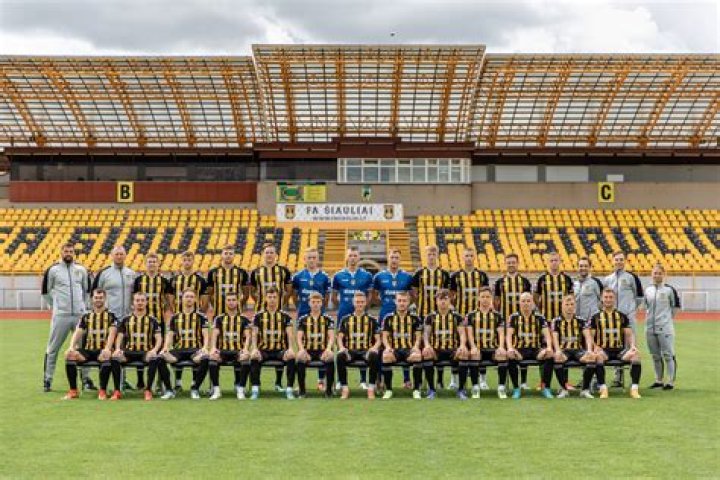
FK Panevėžys vs Šiauliai FA arrived in TOPLYGA carrying the tension of a chessboard before the first move: two coaches, two mirrored 4-2-3-1 systems, and twenty-two starters stepping into a match where structure promised control but the benches threatened chaos.
Heading: The Tactical Mirror That Framed the Match
This was not a contest built on surprise formations. Toni Korkeakunnas sent FK Panevėžys out in a 4-2-3-1, and Mantas Kuklys answered with the same shape for Šiauliai FA. On paper, it was symmetry. On the pitch, it became a battle of interpretation.
Panevėžys placed captain V. Černiauskas in goal, protected by a defensive line featuring S. Kerkez, J. Janusevskis and D. Balsys, while E. Veliulis added width and running power. Ahead of them, M. Ramanauskas, O. Kurtsev, I. Asante, S. Kouadio and K. Asamoah formed the engine room around forward option E. Burdzilauskas.
Šiauliai FA, meanwhile, trusted captain G. Baliutavičius between the posts, with M. Mandić, N. Stankevicius, E. Bierontas and L. Vuković forming the back four. K. Zebrauskas and D. Naah offered the double-pivot base, while P. Pranckus, A. Baftalovskyi, D. Romanovskij and N. Garbaliauskas carried the attacking burden.
Heading: How the 4-2-3-1 Shape Influenced the Final Outcome
The final result was shaped less by formation labels and more by which side bent the 4-2-3-1 into a weapon. With both teams deploying two central midfield protectors, the central corridor became congested early. That meant wide areas, second balls and transitions carried the greatest danger.
Panevėžys’s structure hinted at a side prepared to absorb pressure and then spring through the supporting midfield line. The selection of S. Kouadio, I. Asante and K. Asamoah gave them athletic balance in midfield zones, while Burdzilauskas as the advanced reference point offered a route to stretch Šiauliai’s centre-backs.
Šiauliai FA’s lineup, however, suggested a more direct threat through the attacking band. Romanovskij and Garbaliauskas provided forward aggression, while Baftalovskyi’s role between midfield and attack looked crucial to breaking Panevėžys’s screen. When Šiauliai found pockets behind Ramanauskas and Kurtsev, the match tilted toward danger.
Heading: Panevėžys’s Key Lineup Strength
The hosts’ biggest advantage came from midfield density. Their starting XI was packed with players listed across midfield and forward roles, giving Korkeakunnas the flexibility to press in waves or retreat into compact lines. That versatility helped Panevėžys avoid being outnumbered in the central third.
Yet the risk was clear: with several midfield-profile players asked to influence the attacking phase, Panevėžys needed sharp movement around Burdzilauskas. Without fast support, the lone forward could become isolated, allowing Šiauliai’s centre-backs to step in and control second balls.
Heading: Šiauliai FA’s Key Lineup Strength
Šiauliai FA’s setup had a more ruthless edge in the front line. With Romanovskij and Garbaliauskas both listed as forward options in the starting XI, Kuklys appeared ready to disturb Panevėžys’s defensive line with vertical pressure and aggressive runs into the channels.
The double pivot of Zebrauskas and Naah was central to that plan. Their ability to win duels and release the attacking midfielders determined whether Šiauliai could sustain pressure or be dragged into long defensive spells.
Heading: Substitutions That Had the Power to Turn the Tide
The confirmed lineup feed provides the starting elevens and bench lists but does not include live substitution timestamps or official in-match replacement records. Based strictly on the available squad data, the most influential game-changing options were clearly concentrated in the attacking departments of both benches.
For FK Panevėžys, the bench carried several late-match weapons: E. Muratović, M. Bačanin, J. Adah and N. Petkevičius all offered forward reinforcement. If Panevėžys needed to chase the result, those were the substitutions most likely to shift momentum by adding fresh legs, penalty-box presence and direct running.
E. Dantas and L. Grajfoner also stood out as midfield alternatives capable of changing the tempo. In a match defined by mirrored systems, a fresh midfielder entering between the lines could be just as decisive as a striker, especially if the game became stretched after the hour mark.
Šiauliai FA’s bench contained perhaps the most eye-catching impact name in A. Novikovas. His attacking profile made him a natural candidate to alter the rhythm late on, particularly against tired full-backs. C. Nwoga also represented a direct forward option who could turn defensive fatigue into panic.
From a control perspective, M. Dapkus, D. Dovydaitis and U. Vaitiekaitis gave Kuklys ways to protect or rebalance the match. If Šiauliai needed to hold the result, defensive and midfield changes would have been just as important as attacking substitutions.
Heading: The Decisive Tactical Question
The drama of this matchup lived in one question: which 4-2-3-1 could become something else first?
When a mirrored system meets another mirrored system, the match is rarely won by the diagram alone. It is won by timing. A full-back steps higher. A winger tucks inside. A number ten finds a pocket. A substitute enters with fresh violence in the legs. Suddenly, the shape that looked balanced begins to crack.
Panevėžys’s lineup leaned toward midfield control and structural patience. Šiauliai FA’s XI carried sharper attacking references and a bench with dangerous late-match profiles. That contrast made substitutions a likely turning point, especially if the first half remained tight and both managers were forced to gamble after the interval.
Heading: Final Lineup Verdict
The starting lineups tell the story of two teams that respected each other enough to mirror the formation, but not enough to surrender initiative. FK Panevėžys trusted balance, numbers in midfield and a controlled 4-2-3-1. Šiauliai FA trusted a similar frame but loaded it with attacking danger through Romanovskij, Garbaliauskas and Baftalovskyi.
The match outcome was ultimately influenced by how each side used the same tactical skeleton differently. Panevėžys sought security before incision. Šiauliai FA appeared built to strike through movement and pressure. The substitutions most likely to have shifted the match belonged to the attacking benches: Muratović, Bačanin, Adah and Petkevičius for Panevėžys; Novikovas and Nwoga for Šiauliai FA.
In the end, this was a TOPLYGA lineup battle defined by suspense, restraint and the constant threat of one managerial move changing everything. The formations set the trap. The substitutions held the key.
