France vs Iraq Tactical Preview: Formation Predictions & Key Matchups | FIFA World Cup 2026
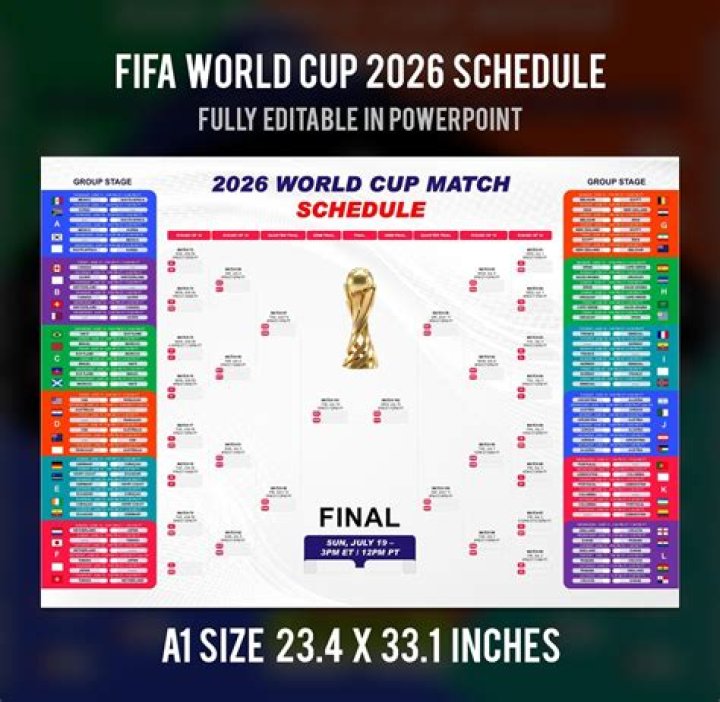
The stage is set. The tension is palpable. A collision between European royalty and Asia's battle-hardened warriors is about to unfold as France vs Iraq emerges as one of the most intriguing tactical puzzles of the FIFA World Cup 2026 Group I campaign. With official lineups yet to be confirmed, the war of systems, shapes, and shadows has already begun — and what the last five matches of each side reveal is nothing short of electrifying.
France's Last 5 Matches: A Nation Rediscovering Its Ferocity
To understand what France will bring to this World Cup fixture, one must trace the tremors of their recent competitive history. Les Bleus have not merely been playing football — they have been writing psychological narratives with every result, every goal, every defensive lapse and tactical redemption.
Match 1 — UEFA Nations League Finals: Spain 5–4 France
A result that cut deep. France conceded five goals against Spain in a Nations League Final showdown that exposed alarming vulnerabilities in their defensive shape. Yet the scoreline also whispered something dangerous — France scored four. Their attacking machinery, despite the defeat, was firing on terrifying cylinders. It was a match that screamed: this team will score against anyone, but it will cost them.
Match 2 — UEFA Nations League Finals: Germany 0–2 France
Redemption arrived swiftly. France dismantled Germany with a composed, controlled two-goal victory that showcased their capacity to suffocate opponents through midfield control and lethal transitions. The third-place finish felt hollow, but the performance against Germany was a statement — clinical, structured, and purposeful.
Match 3 — World Cup Qualification UEFA D: Ukraine 0–2 France
Travelling to Ukraine and returning with a clean sheet and three points — that is the mark of a side that means business. France suffocated Ukraine's attacking intent, exploited the spaces behind a high defensive line, and executed their game plan with cold efficiency. Two goals, zero conceded. The blueprint was forming.
Match 4 — World Cup Qualification UEFA D: France 2–1 Iceland
Iceland pushed. They equalised. They made France uncomfortable. But France dug in and found the decisive goal. It was not pretty. It was not dominant. But it was winning football, and sometimes that is the most dangerous form of all. The resilience displayed here could prove pivotal against a stubborn Iraqi defensive structure.
Match 5 — World Cup Qualification UEFA D: France 4–0 Ukraine
The most recent qualifier before the World Cup: a surgical destruction of Ukraine on home soil. Four goals. Zero conceded. France were relentless, fluid, and devastating. Their positional play stretched Ukraine to breaking point in every single phase of the match. As a final audition before the World Cup, it was nothing short of a masterclass.
Iraq's Last 5 Matches: A Team Forged in Fire and Chaos
If France has been sharpening their blade on European steel, Iraq has been surviving a gauntlet of continental warfare that has tested every sinew of their collective identity. Their recent five matches tell a story of resilience, tactical adaptability, and moments of genuine brilliance sandwiched between painful reversals.
Match 1 — Arab Cup Knockout Stage: Jordan 1–0 Iraq
Elimination at the hands of Jordan stung. Iraq failed to convert their possession and were undone by a single decisive moment. The defensive structure that had served them well through the group stage crumbled at the crucial juncture. This loss revealed a psychological fragility when the stakes are existential — something France will be desperate to exploit.
Match 2 — Arab Cup Group D: Algeria 2–0 Iraq
Algeria dismantled Iraq's midfield with relentless pressing and technical superiority. Iraq looked disorganised in the central zones, struggled to build from deep, and were punished twice. The absence of a reliable ball-playing pivot in midfield was glaring. Against France's press-heavy potential system, this vulnerability could prove catastrophic.
Match 3 — Int. Friendly: Iraq 2–1 Bolivia
A FIFA World Cup Inter-Confederation Playoff victory over Bolivia breathed life back into the Iraqi camp. Winning a tense, physical contest 2–1 demonstrated that Iraq can perform under World Cup-qualifying pressure. Their defensive organisation tightened, and they showed capacity to protect a lead — a skill they will desperately need against France.
Match 4 — Int. Friendly: Andorra 0–1 Iraq
A functional, workmanlike away victory against Andorra offered little tactical revelation but confirmed Iraq's capacity to grind out results against lower-ranked opposition. The clean sheet was welcome, though the quality of opposition makes this data point the weakest of their recent five. Still, it builds confidence and rhythm heading into a World Cup environment.
Match 5 — Int. Friendly: Spain 1–1 Iraq
Now here is the result that demands attention. Iraq drew with Spain — the reigning European champions and one of the finest footballing nations on the planet — just days before this World Cup encounter. One-all against Spain. The psychological weight of that result cannot be overstated. Iraq demonstrated they could absorb elite European pressure, transition dangerously on the counter, and earn a point that no analyst predicted. France's tactical staff would have watched this match with very narrow, very serious eyes.
Predicted Tactical Formations: The Shapes That Will Define the Battle
France's Predicted Formation: 4-3-3 with High Pressing Triggers
Based on their last five performances, France are most likely to deploy a 4-3-3 framework that transitions seamlessly into a 4-2-3-1 in the defensive phase. The three-match winning run in UEFA qualification was built on a high defensive line, aggressive pressing triggers in the opponent's build-up zone, and devastating wing play that creates numerical overloads in wide areas.
The central midfield trio will be the engine room — one holding midfielder anchoring deep to shield the back four, two box-to-box operators providing dynamic forward runs and defensive cover in equal measure. The front three will press relentlessly from the front, suffocating Iraq's goalkeeper and central defenders from the very first whistle. Width will be France's greatest weapon: isolating Iraq's full-backs in one-against-one duels out wide, then delivering into a lethal central striker.
Iraq's Predicted Formation: 4-4-2 Defensive Block with Counter-Attacking Venom
Iraq's recent evidence points overwhelmingly toward a compact 4-4-2 mid-block that collapses into a 4-5-1 when France have possession in advanced zones. Against Spain they demonstrated exactly this: disciplined defensive shape, minimal exposure of the central channels, and rapid two-to-three pass counter-attacks designed to punish France the moment possession is lost.
The two-striker partnership will not chase France's defenders high up the pitch. Instead, they will position themselves to receive the first counter-attack ball, hold it up under pressure, and bring rapid support runners into play. Iraq's wide midfielders will tuck narrow when defending, denying France's interior passing lanes, before bursting into space on transitions. It is a formation built on patience, discipline, and the belief that one moment of brilliance can change everything.
Key Player Matchups That Will Decide the Game
France's Left Winger vs Iraq's Right Back: The Width Duel
France's greatest threat in recent matches has emanated from the left flank, where a technically gifted winger has been given license to drift infield and shoot, or to hug the touchline and deliver. Iraq's right back will face the most gruelling ninety minutes of his career. If Iraq's right back is drawn wide and beaten for pace, the entire defensive structure collapses — creating a direct path to goal through the heart of the Iraqi backline. This one-against-one battle, repeating itself every three minutes throughout the match, could define the entire game.
France's Holding Midfielder vs Iraq's Attacking Pivot: The Midfield Brain War
France's midfield anchor — the player tasked with intercepting, recycling possession, and neutralising opposition attacks at birth — will go head-to-head with Iraq's most creative midfield operator. Iraq's ability to spring their counter-attacks through midfield was key against Spain. If France's holding midfielder can identify Iraq's transition trigger passes and intercept them early, Iraq's entire counter-attacking system collapses. If he fails — if he is slow to react, or drawn out of position — Iraq will have the space to run directly at France's exposed central defenders.
France's Central Striker vs Iraq's Centre-Back Pairing: The Aerial and Physical War
France's central striker is a problem that no defence in the world has solved consistently. Against Ukraine he was devastating on the ground; against Germany he was a constant aerial threat from set pieces. Iraq's centre-back partnership will need to communicate flawlessly, double up effectively, and — crucially — avoid accumulating yellow cards that would leave them undermanned in the second half. One moment of hesitation, one poorly timed step out of line, and France will be celebrating before Iraq have had time to regroup.
Iraq's Left Winger vs France's Right Back: The Counter-Attack Weapon
This is Iraq's most dangerous attacking outlet. On the counter-attack against Spain, Iraq's left-sided forward caused constant anxiety with direct running, pace behind the defensive line, and deceptive changes of direction. France's right back — typically excellent when in possession and pushing forward — can be exposed if caught high up the pitch when Iraq win the ball. One intelligent ball played in behind, and Iraq have a genuine one-against-one chance in behind France's defence. It happened against Spain. It could happen again here.
The Tactical Verdict: Can Iraq's Discipline Contain France's Brilliance?
France arrive at this fixture with a recent five-match record that screams offensive supremacy: goals conceded only in defensive lapses against elite Spanish opposition, and devastating scorelines in qualification. The 4-3-3 they are expected to deploy is perfectly calibrated to dismantle a compact defensive block — patient wide circulation, then sudden explosive central combinations designed to create just one moment of chaos in a disciplined structure.
Iraq, however, arrive carrying the most astonishing psychological weapon of any team in Group I: a draw against Spain just days before this match. Their 4-4-2 defensive block will be organised, motivated, and brutally difficult to break down. They have nothing to lose and everything to gain. In football, that combination is always, always dangerous.
The tactical battle that will determine the outcome is simple to identify and almost impossible to execute: can France break down a well-organised Iraqi block before fatigue sets in and concentration wavers? Or will Iraq survive the first half, absorb France's best attacks, and deliver a thunderbolt counter-attack in the sixty-eighth minute that shakes the entire World Cup to its foundations?
One thing is certain. On this stage, in this tournament, with these two teams carrying these recent momentum curves — France vs Iraq at FIFA World Cup 2026 promises to be a tactical chess match wrapped inside a high-voltage, high-stakes football drama. The formations are predicted. The matchups are identified. Now the players must write the ending — and not even the most experienced analyst in the world truly knows how this one finishes.
