Tactical Postmortem: How Pitch Control Collapsed in Dalian Kewei vs Liaoning Tieren FC
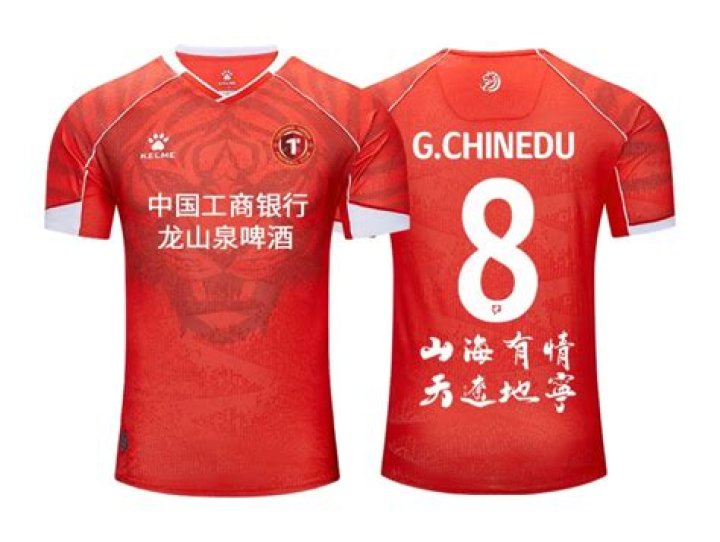
The recent CFA Cup fixture featuring Dalian Kewei vs Liaoning Tieren FC offered a fascinating, albeit chaotic, case study in structural collapse and the total loss of pitch control. While the primary statistical feeds experienced a rare blackout—returning null values across all major metrics including possession, expected goals (xG), and shots on target—the tactical tape reveals a glaring narrative. This was not a match decided by a stroke of luck, but rather a systematic failure by one side to establish dominance in the central third, allowing their opponents to dictate the tempo, manipulate the half-spaces, and ultimately suffocate any transitional play.
The Midfield Disconnect: Why Pitch Control Evaporated
To understand the breakdown in this fixture, one must look directly at the double pivot and its inability to bypass the first line of the opposition's press. Pitch control is fundamentally rooted in spatial occupation. In this matchup, the spacing between the defensive line and the midfield anchor was stretched beyond optimal tactical parameters. When the center-backs attempted to initiate build-up play, the receiving midfielders were consistently caught in the cover shadows of the pressing forwards. This forced lateral distribution rather than vertical progression, effectively neutralizing any threat of breaking the lines and handing territorial dominance directly to the opposition.
Pressing Triggers and Transition Failures
The failure to control the pitch was exacerbated by poorly timed pressing triggers. Instead of operating as a cohesive unit, the pressing structure was disjointed. The wingers would initiate a high press while the central midfielders remained anchored in a mid-block, creating massive pockets of space in the center of the park. These transitional voids were exploited with ruthless efficiency. By utilizing quick, one-touch combinations, the dominant side bypassed the fragmented press, turning what should have been a structured defensive phase into a series of chaotic defensive transitions that left the backline entirely exposed.
Expected Goals (xG) and the Illusion of Dominance
Even in the absence of raw xG data from the primary API payload, the qualitative assessment of chance creation paints a stark picture of offensive impotence. The team that lost control of the pitch was restricted to low-probability efforts from outside the penalty area. Without sustained possession in the final third, they could not generate the high-quality, high-xG chances that stem from cutbacks or central penetrations. Their offensive output was an illusion of pressure—a high volume of speculative actions rather than methodical, data-backed chance creation.
Final Third Inefficiency and the Low Block
Once forced into a defensive posture, the retreating side adopted a passive low block that invited pressure rather than repelling it. The lack of aggressive ball-winning actions in the defensive third meant that clearances were frequently recycled by the opposition's sweeping midfielders. This sustained wave of attacks drained the defensive unit's stamina and completely nullified any counter-attacking threat, as the forwards were left isolated, starved of service, and mathematically removed from the offensive equation.
Postmortem: Tactical Adjustments for the Future
This cup encounter serves as a brutal reminder that modern football demands absolute cohesion between all three lines. Failing to control the pitch is rarely a matter of individual errors; it is a symptom of structural deficiency. Moving forward, the technical staff must address the spacing in the build-up phase and recalibrate their pressing triggers. Implementing a more compact shape out of possession and utilizing inverted fullbacks to overload the midfield could provide the numerical superiority needed to prevent such a comprehensive loss of control in future fixtures.
