Mexico vs South Korea: FIFA World Cup 2026 Group A Standings Impact & Playoff Race Analysis
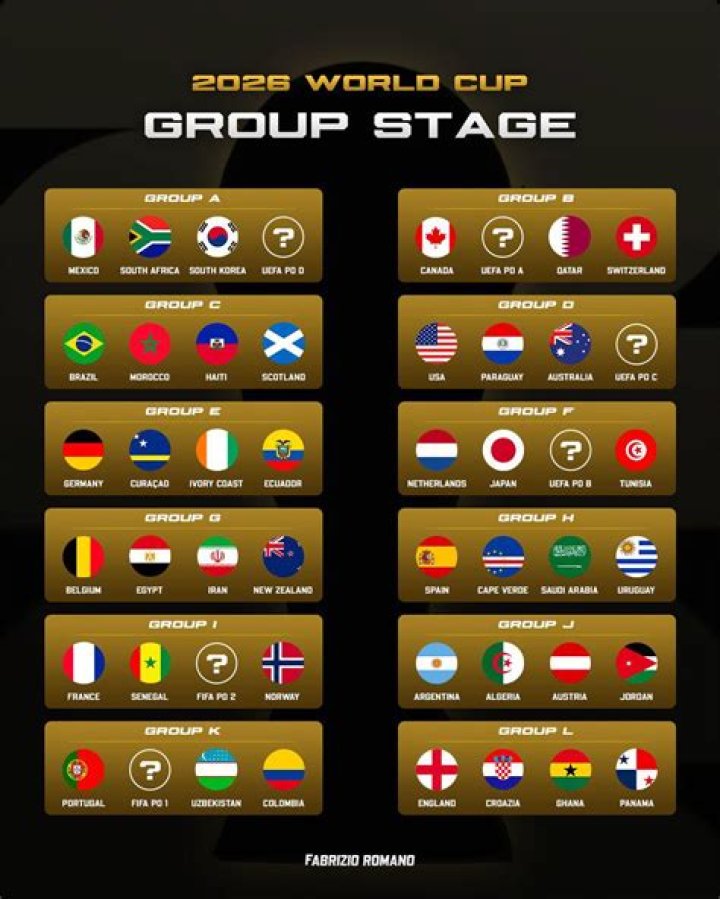
The Mexico vs South Korea fixture at the FIFA World Cup 2026 did not merely produce a result — it reordered the arithmetic of Group A in ways that carry lasting consequences for every team still battling for tournament survival. With Mexico maintaining a flawless defensive record across two outings and South Korea absorbing their first defeat of the competition, the Group A standings have taken on a shape that rewards clinical efficiency and punishes inconsistency in equal measure. What follows is a forensic breakdown of exactly where every team now stands, why the numbers matter, and what the road ahead demands from each nation still in contention.
Group A Standings: The Full Picture After Two Matchdays
Strip away the emotion and what the Group A table communicates after two completed rounds of fixtures is a story of striking contrasts. Mexico sit at the summit with maximum points — six from six — having scored three goals and conceded none. That goal difference of +3, constructed on a foundation of complete defensive solidity, places them in a category of their own within this group. No other team in Group A has managed to keep their net untouched across both appearances.
South Korea occupy second position on three points, the product of one win and one defeat across their two matches played. Their goals-for column reads two, their goals-against also reads two, leaving a goal difference of zero. That numerical equilibrium masks a structural vulnerability: the Koreans have already shown they can score but have equally demonstrated that stopping the opposition is a challenge they have not yet resolved.
Third and fourth positions belong to Czechia and South Africa respectively, both nations stranded on a single point with one draw and one loss apiece from two matches. Czechia carry a goal difference of -1 while South Africa sit at -2, a two-point deficit from the playoff qualification threshold that makes their remaining fixture not merely important but existential.
How This Result Specifically Altered the Group A Rankings
Mexico's Ascent to an Unassailable Early Lead
Before this match, Mexico already occupied first place following their opening-round victory. The result against South Korea did not simply extend that lead — it entrenched it with a mathematical authority that now borders on untouchable for the remaining group stage. Six points from two games, combined with a +3 goal difference and a goals-against tally of zero, means Mexico have effectively manufactured a safety net beneath themselves of extraordinary depth.
Crucially, the clean sheet record is the detail that deserves the most analytical weight. In a tournament structured around group-stage playoffs, goal difference frequently becomes the decisive separator when points are level. Mexico's refusal to concede across two matches gives them a buffer that their rivals simply do not possess. Even if their form were to dip in a hypothetical final group fixture, the points cushion already accumulated renders elimination from the group stage a near-statistical impossibility.
Their promotion status — already marked as heading toward the Playoffs — is now a formality rather than a projection. The conversation around Mexico has pivoted entirely from "will they qualify?" to "how do they prepare for the knockout rounds and who might they face?"
South Korea: Secure in Second, Vulnerable at the Margins
The defeat to Mexico moved South Korea from potential co-leaders to a team now operating with one eye permanently fixed on the teams beneath them. Three points from two matches retains their Playoff qualification status, and the gap between themselves and third-placed Czechia — two points — provides a degree of insulation. However, the nature of tournament football at this level means that insulation can evaporate with one poor performance.
South Korea's goal difference of zero is the figure that warrants the sharpest scrutiny. Unlike Mexico, who have constructed a positive buffer, the Koreans have no margin for defensive generosity. Should Czechia win their remaining fixture with any degree of attacking authority while South Korea drop points, the gap could close to a level where goal difference becomes the only arbiter of second place.
For South Korea, the psychological recalibration required after losing to Mexico is as significant as the mathematical adjustment. They entered this tournament with ambitions that extended beyond the group stage, and those ambitions remain intact but now carry the weight of a defeat that has exposed defensive fragilities that sharper opponents in the playoff rounds will certainly target.
Czechia and South Africa: The Arithmetic of Desperation
The Mexico-South Korea result indirectly but significantly affected Czechia and South Africa by confirming the points ceiling they must reach to overturn their current standings. With Mexico sealed at the top and South Korea holding a two-point lead over both teams in third and fourth, Czechia and South Africa are now operating in a mathematical corridor that has narrowed considerably.
Czechia, on one point with a -1 goal difference, retain Playoff qualification tracking according to the current standings, but only because the promotion framework extends beyond the top two in certain tournament configurations. South Africa, by contrast, sit fourth with one point and a -2 goal difference, and notably carry no promotion designation under the current standings data — a damning signal of where the tournament's structural logic currently places them.
For South Africa, the scenario is stark: not only must they win their remaining group fixture, they likely need to win it convincingly enough to overturn the goal difference disadvantage relative to Czechia. A single-goal victory almost certainly will not suffice. The margin demanded of them is both sporting and arithmetical.
The Wider FIFA World Cup 2026 Context: Group A in Tournament Perspective
Mexico's Position Among the Tournament's Elite Performers
Zooming out beyond Group A into the broader FIFA World Cup 2026 standings landscape, Mexico's six-point haul with a +3 goal difference and zero goals conceded places them among an elite cohort of early-stage performers. Across the tournament's twelve groups, only a handful of nations have constructed records of comparable purity through two matches.
Germany lead Group E with seven goals scored against one conceded in a single match — a remarkable attacking statement. Canada top Group B on four points having accumulated a +6 goal difference, the most emphatic attacking return of any team across two fixtures. Norway sit atop Group I on three points with a +3 goal difference from one game. Among teams who have played twice, however, Mexico's combination of maximum points and a clean defensive sheet stands as a benchmark of all-round tournament excellence at this stage.
That distinction matters because it informs how the bracket will eventually take shape. Teams advancing from Group A as winners will be positioned to face second-placed finishers from other groups in the playoff rounds, and Mexico's form suggests they have both the tactical discipline and psychological readiness to handle those higher-stakes environments.
Third-Placed Teams: An Alternative Route That Reshapes the Stakes
One nuance of the FIFA World Cup 2026 structure that the current standings illuminate is the existence of a Third-Placed Teams table, which aggregates the performance of teams finishing third across all groups and identifies which among them advances. This mechanism has direct relevance to the Group A situation.
Currently, the Third-Placed Teams standings show the best third-place finishers carrying one point each — Netherlands, Brazil, Belgium, Portugal, and Spain all sit level on a single point from one match. Czechia appear in sixth position in that table on one point from two games, with a -1 goal difference. Bosnia and Herzegovina occupy seventh on the same points but a worse goal difference of -3.
The practical implication for Group A is that should Czechia finish third, their fate will not be decided solely by what happens within their group. They will be measured against third-placed finishers from every other group in the tournament. Given that several third-placed teams with only one match played could still accumulate more points from their remaining fixtures, Czechia's current standing in the third-place rankings is precarious at best.
South Africa, currently fourth in Group A with no promotion designation in the data, face an even steeper hill. Their only realistic route to tournament continuation runs through winning their final group fixture by a margin significant enough to either climb to third — and then hope the Third-Placed Teams mechanism operates in their favour — or overturn South Korea's goal difference advantage to claim second place. Neither path is closed, but both demand performance levels they have not yet consistently demonstrated.
What the Updated Standings Demand From Each Team Going Forward
Mexico: Manage, Consolidate, and Preview the Knockout Phase
Mexico's remaining group stage obligations are effectively administrative. Six points guarantee them a Playoff berth regardless of what occurs in their final fixture. The tactical question their coaching staff now faces is one of squad management: how aggressively do they pursue a final group match victory, and how much energy and tactical information do they choose to conserve or conceal ahead of the knockout rounds?
The zero-goals-conceded record will be a point of pride that motivates defensive discipline, but the smarter calculation involves identifying and beginning to address the vulnerabilities that sharper playoff opponents will probe. Mexico have shown they can win. The World Cup will eventually ask them whether they can withstand the specific pressure of elimination football — and that preparation begins now.
South Korea: Win and Stabilise, or Risk an Uncomfortable Final Day
Three points and second place provides South Korea with a meaningful but not unconditional cushion. A win in their final group fixture essentially closes the door on Czechia and South Africa regardless of goal difference permutations. A draw keeps them second but creates the scenario where goal difference arithmetic could theoretically become relevant. A defeat would initiate a genuine crisis scenario where South Korea's Playoff place becomes contingent on results elsewhere.
The message from the updated standings is unambiguous: South Korea must treat their next match as a must-win assignment. The two-point lead over Czechia and South Africa is a comfort, not a guarantee.
Czechia and South Africa: Scoreline Quality as Much as Result
Both teams understand that simply winning their final fixtures may not suffice. The goal difference columns — Czechia at -1, South Africa at -2 — mean that the margin of victory carries as much significance as the result itself. A 1-0 win does not answer the questions the standings are asking of either team. Both nations need goals, clean sheets, and the kind of performance that shifts multiple columns in the standings table simultaneously.
For South Africa specifically, without a current promotion designation in the standings structure, the situation represents the most acute urgency of any team in Group A. They are not merely chasing points. They are chasing a tournament lifeline that the Mexico vs South Korea result has made measurably harder to grasp.
Group A Standings Summary Table
For clarity, the Group A standings as they currently read after the Mexico vs South Korea result are presented below:
1. Mexico — Played: 2 | Wins: 2 | Draws: 0 | Losses: 0 | GF: 3 | GA: 0 | GD: +3 | Points: 6 — Playoffs
2. South Korea — Played: 2 | Wins: 1 | Draws: 0 | Losses: 1 | GF: 2 | GA: 2 | GD: 0 | Points: 3 — Playoffs
3. Czechia — Played: 2 | Wins: 0 | Draws: 1 | Losses: 1 | GF: 2 | GA: 3 | GD: -1 | Points: 1 — Playoffs (conditional)
4. South Africa — Played: 2 | Wins: 0 | Draws: 1 | Losses: 1 | GF: 1 | GA: 3 | GD: -2 | Points: 1 — No current promotion designation
Final Analysis: The Structural Legacy of One Result
What the Mexico vs South Korea contest produced, beyond ninety minutes of tournament football, was a recalibration of competitive reality across an entire group. Mexico now stand as the clearest early success story in Group A, their numbers communicating a team in command of both results and process. South Korea remain in a qualifiable position but carry the psychological residue of defeat into what has become a pressure fixture. Czechia and South Africa both face a final group match that has evolved, through the logic of this result alone, from an important game into an indispensable one.
In the architecture of the FIFA World Cup 2026, few individual results shape group dynamics as comprehensively as a dominant performance by a table-topping team. Mexico vs South Korea did precisely that — and the standings, updated and unambiguous, carry that verdict forward into everything that follows.
