Japan vs Tunisia Score Prediction Analysis: FIFA World Cup 2026 Tactical Preview
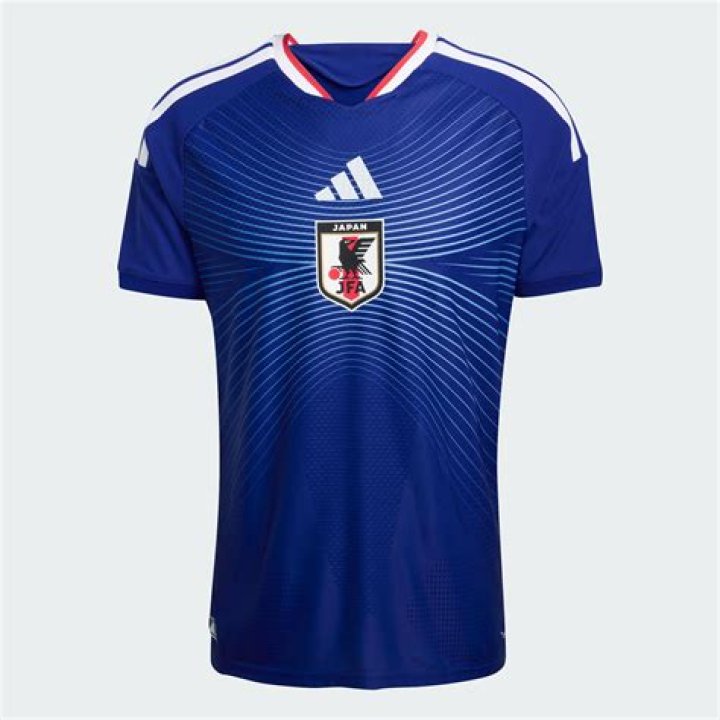
Tunisia vs Japan in the FIFA World Cup presents a sharp contrast in current performance curves: Japan arrive with control, clean-sheet rhythm and efficient attacking output, while Tunisia enter this matchup carrying defensive stress from a difficult recent run against higher-tempo opponents. Based strictly on the last five matches for both sides, the numbers point toward a Japan edge, but the tactical texture suggests Tunisia may still compete if they slow the game into a low-possession, low-transition contest.
Heading: Recent Form Snapshot From The Last Five Matches
Japan’s last five-match block is built on stability. They recorded four wins and one draw, scoring eight goals and conceding only two. That gives them an average of 1.6 goals scored per match and just 0.4 goals conceded. More importantly, three of those five games ended as clean-sheet victories, underlining a defensive structure that is not only compact but repeatable.
Tunisia’s last five matches tell a very different story. They won once, drew once and lost three, scoring two goals while conceding 11. Their scoring rate sits at 0.4 goals per match, while their defensive concession rate rises to 2.2 goals per match. The alarming detail is not only the volume of goals conceded, but the pattern: Tunisia have struggled badly when facing teams capable of sustaining pressure and attacking quickly after regains.
Heading: Japan Performance Analysis
Japan’s strongest indicator is defensive control. Across their last five matches, they beat Bolivia 3-0, Scotland 1-0, England 1-0 and Iceland 1-0, before drawing 2-2 with the Netherlands. That sequence shows two important traits: they can manage tight matches with patience, and they can still find attacking solutions against elite-level opposition.
The 2-2 draw against the Netherlands is particularly useful for projection. Japan conceded twice, but also scored twice against a technically superior opponent, suggesting their attacking ceiling remains high when the game opens. Against Tunisia, who have recently conceded five against Belgium and five against Sweden, Japan’s ability to circulate possession, switch play and attack gaps between full-back and centre-back could become decisive.
Heading: Japan Tactical Strengths
Japan’s current tactical profile is based on disciplined pressing, quick ball circulation and aggressive wide occupation. Their clean-sheet record suggests a team comfortable defending both in a mid-block and when pressing higher. They do not need chaotic matches to create chances; they can build pressure through sequences, recover second balls and force opponents into repeated defensive actions.
From a betting-style analytical view, Japan’s expected advantage comes from three zones: wide overloads, second-phase attacks and counter-pressing after losing possession. Tunisia’s recent defensive record suggests those areas could be difficult to contain over 90 minutes.
Heading: Tunisia Performance Analysis
Tunisia’s last five-match sequence is concerning: a 1-0 win over Haiti, a 0-0 draw with Canada, a 1-0 defeat to Austria, a 5-0 defeat to Belgium and a 5-1 defeat to Sweden. The clean sheet against Canada shows they can still defend with discipline, but the heavy losses expose a vulnerability when facing teams with speed, vertical passing and sustained attacking pressure.
Offensively, Tunisia have scored only two goals in five matches. That is the key issue for this prediction. Even if they defend deeper and reduce Japan’s rhythm, they still need enough attacking threat to move Japan’s back line and prevent constant pressure. At the moment, the data does not strongly support Tunisia scoring multiple goals against a Japanese side conceding just 0.4 goals per match across the same five-game sample.
Heading: Tunisia Tactical Concerns
Tunisia’s main concern is defensive spacing once their first line is bypassed. Against higher-quality opposition, they have been pulled into long defensive phases, and when the midfield screen is stretched, their back line has been exposed to cut-backs and late runners. Japan are exactly the type of opponent that can punish those moments with sharp timing rather than pure physical dominance.
For Tunisia to stay competitive, they need a compact 4-5-1 or 5-4-1 structure, limited turnovers in central areas and a strong set-piece presence. Their best route to a goal may come from dead-ball situations or a transition after Japan commit numbers forward.
Heading: Defensive Metrics Comparison
Japan have conceded two goals in their last five matches, while Tunisia have conceded 11. That gap is the clearest statistical divider in this fixture. Japan’s defensive average of 0.4 goals conceded per game suggests reliability; Tunisia’s 2.2 goals conceded per game suggests instability, especially under repeated pressure.
Clean sheets also support Japan. Three clean sheets in five matches show strong match control, while Tunisia have kept two clean sheets in the same span but also suffered two heavy defeats. That volatility matters. Tunisia can produce compact performances, but their defensive floor has recently dropped too low against technically efficient teams.
Heading: Goal-Scoring Efficiency And Momentum
Japan’s eight goals in five matches show balanced efficiency rather than reckless attacking. They are not dependent on shootouts; they have won three of their last five by a 1-0 scoreline, which points to controlled game management. That matters in a World Cup setting, where teams often prioritize risk control.
Tunisia’s two goals in five matches indicate limited attacking momentum. Their recent 5-1 loss to Sweden showed they can still find the net, but not consistently enough to offset defensive issues. Against Japan, Tunisia may need to score first to alter the match script. If Japan score early, the tactical burden shifts heavily against Tunisia.
Heading: Key Match Prediction Factors
The first decisive factor is Japan’s ability to press Tunisia into rushed clearances. If Japan dominate territory early, Tunisia could spend long spells defending near their own penalty area. The second factor is Tunisia’s transition discipline. If they lose the ball centrally, Japan’s quick passing lanes can turn possession recoveries into high-value chances.
The third factor is game tempo. A slow, physical match helps Tunisia. A fast, technical match helps Japan. Based on recent form and tactical identity, Japan are more likely to impose their preferred rhythm for longer stretches.
Heading: Expert Score Prediction
The data leans strongly toward Japan. Their last-five form shows superior scoring output, stronger defensive consistency and better momentum. Tunisia have enough structure to avoid being dismissed entirely, but their recent concession rate against high-level opposition makes this a difficult matchup.
Predicted Score: Japan 2-0 Tunisia
Japan’s clean-sheet trend and Tunisia’s low scoring average make a Japan win to nil a logical projection. A 2-0 result fits the numbers: Japan have the control to limit Tunisia’s chances, while Tunisia’s recent defensive vulnerability suggests Japan should create enough openings to score in each half or settle the game through sustained pressure.
Heading: Best Analytical Lean
Primary prediction: Japan to win.
Scoreline angle: Japan 2-0 Tunisia.
Goals trend: Under 3.5 goals is supported by Japan’s controlled winning pattern, although Tunisia’s defensive volatility keeps a 3-0 Japan result as a secondary possibility.
Both teams to score: No, based on Japan’s defensive form and Tunisia’s recent attacking output.
