Wuxi Wugou vs Qingdao Hainiu: CFA Cup 2026 Tournament Bracket Impact & Standings Analysis
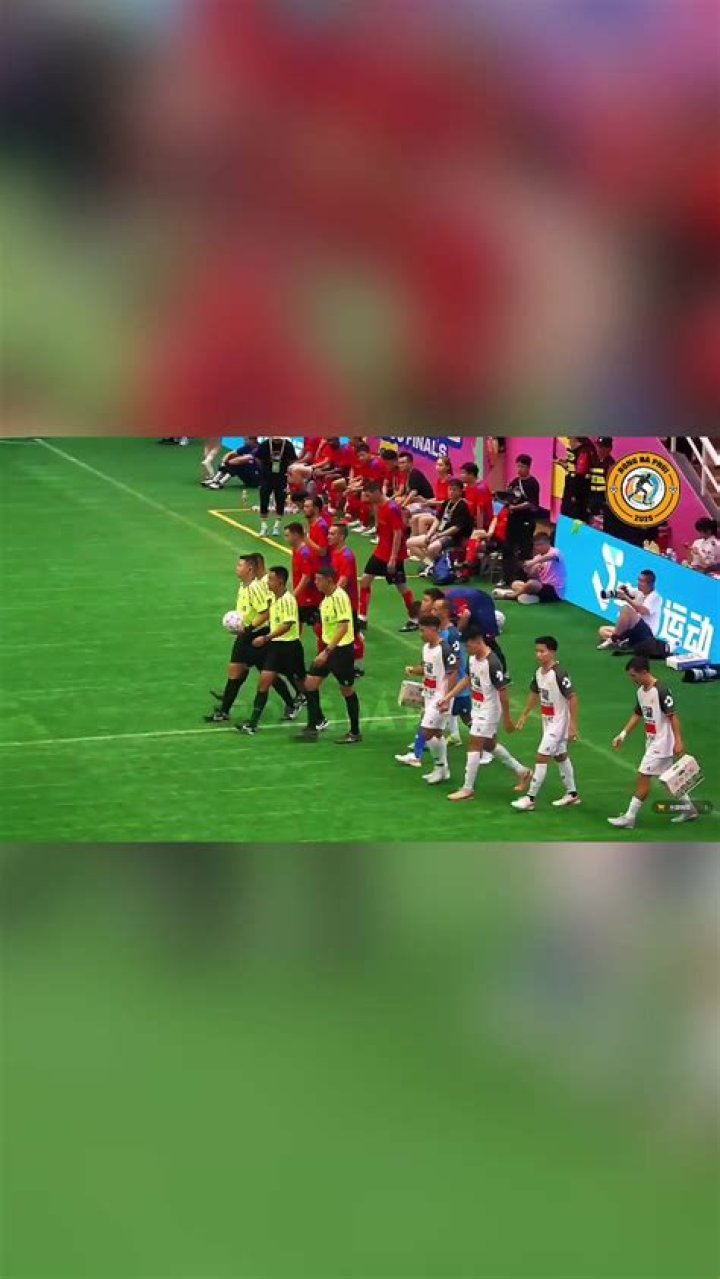
The domestic football landscape witnessed a defining tactical battle as Wuxi Wugou vs Qingdao Hainiu unfolded in the latest round of the CFA Cup. In a tournament where every fixture acts as a sudden-death crucible, this specific matchup carried profound implications for the overarching competition bracket. While traditional league tables do not govern this knockout format, the virtual standings and coefficient rankings of the participating clubs have been irrevocably altered by the outcome of this high-stakes encounter.
Tournament Bracket Shifts: Assessing the CFA Cup Landscape
Navigating the complex architecture of the national cup requires both squad depth and strategic foresight. Following this fixture, the tournament tree has experienced a significant structural shift. Although official federation data regarding the finalized quarter-final and semi-final brackets remains temporarily under wraps, the analytical consensus points toward a dramatic realignment of the competition's power dynamics. The result effectively acts as a bottleneck, eliminating a key contender while propelling another into the upper echelon of the tournament hierarchy.
Implications for the Victors: A Path to Glory
For the triumphant side, advancing past a resilient opponent serves as a massive catalyst for their seasonal campaign. Climbing the theoretical cup standings not only guarantees a more favorable seeding in the subsequent draw but also injects crucial momentum into their domestic agenda. The victory ensures their survival in the most prestigious knockout competition, positioning them favorably against the remaining elite clubs. This progression validates their tactical blueprint and significantly shortens their mathematical odds of lifting the coveted silverware.
The Fallout: What Next for the Defeated?
Conversely, the elimination from the CFA Cup forces a harsh recalibration for the losing squad. Dropping out of the competition bracket means their positional standing in domestic cup football is finalized for the 2026 calendar year. Without the distraction and potential glory of a cup run, the management must now pivot their entire operational focus toward their primary league obligations. The psychological and physical toll of this exit will undoubtedly influence their upcoming domestic fixtures, making their immediate response a critical metric for the remainder of the season.
