Tactical Postmortem: How FC Ordabasy Dismantled Caspiy Aktau's Midfield Architecture
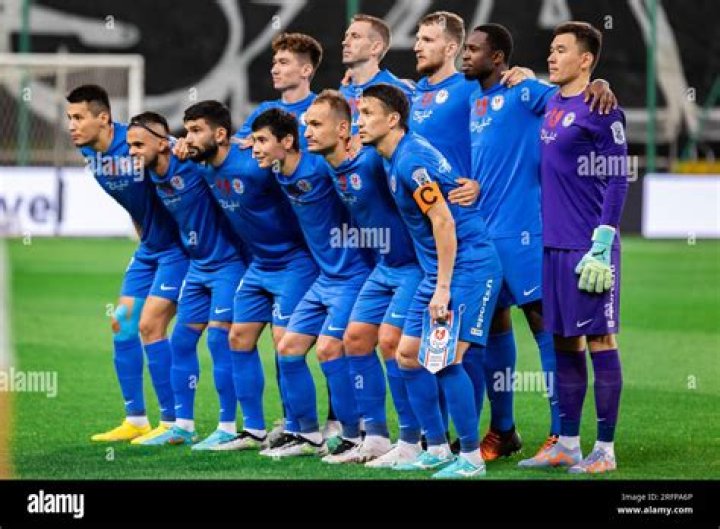
The recent clash between FC Ordabasy vs Caspiy Aktau in the Kazakhstan Premier League offered a fascinating case study in spatial dominance and midfield suffocation. While traditional post-match summaries often focus on the final scoreline, a deeper dive into the underlying tactical architecture reveals exactly why the hosts found themselves entirely stripped of pitch control. Operating under the tactical microscope, this postmortem dissects the positional failures and pressing inefficiencies that allowed the visitors to dictate the tempo from the first whistle to the last, leaving the home side chasing shadows across the turf.
The Possession Paradox: Spatial Control Over Raw Retention
When analyzing the territorial battle, raw possession metrics only tell a fraction of the story. Caspiy Aktau attempted to establish a low-block defensive structure, theoretically inviting pressure to exploit transitional moments. However, their inability to secure the second ball in the central third resulted in a staggering disparity in progressive passes. FC Ordabasy utilized an asymmetrical build-up shape, overloading the right half-space and forcing Caspiy's midfield pivot into impossible decision-making scenarios. The visitors did not just hold the ball; they weaponized it, maintaining a high volume of touches within the opponent's defensive third and completely neutralizing any counter-attacking threat before it could materialize.
Expected Goals (xG) and Final Third Inefficiency
The underlying Expected Goals (xG) narrative paints a grim picture of offensive futility for the home side. By failing to bypass the first line of the opposition's press, Caspiy was restricted to low-probability efforts from outside the penalty area, registering minimal shots on target. Conversely, FC Ordabasy systematically dismantled the defensive lines through rapid horizontal ball circulation. Their shot map indicates a heavy concentration of high-danger chances generated from cut-backs and central through-balls. The tactical failure here was not merely a lack of finishing from the hosts, but a systemic inability to disrupt the passing lanes that fed the final third.
Pressing Metrics: Why Caspiy Failed to Establish Control
Pitch control is frequently dictated by what a team does without the ball. In this fixture, the defensive metrics highlighted a severe lack of pressing coordination from Caspiy Aktau. Instead of initiating a synchronized high press or settling into a compact mid-block, their defensive shape became fractured. FC Ordabasy's center-backs were granted excessive time to measure their distribution, easily bypassing the disjointed first line of pressure. This lack of defensive intensity allowed the visitors to dictate the verticality of the match at their own discretion, effectively bypassing the midfield battleground entirely.
Conclusion: Tactical Takeaways and Structural Adjustments
Ultimately, the failure to control the pitch stemmed from a combination of structural rigidity and reactive decision-making. FC Ordabasy demonstrated a masterclass in positional play, utilizing numerical superiorities to bypass pressure and isolate defenders in wide areas. For Caspiy Aktau, this match serves as a harsh tactical lesson. Without a cohesive strategy to disrupt passing networks and secure central zones, relying on deep defensive blocks against technically superior opposition is a recipe for statistical and territorial submission. Moving forward, establishing a more aggressive engagement line will be critical to regaining authority on the pitch.
